


Long-Path Gas Cells - Cyclone
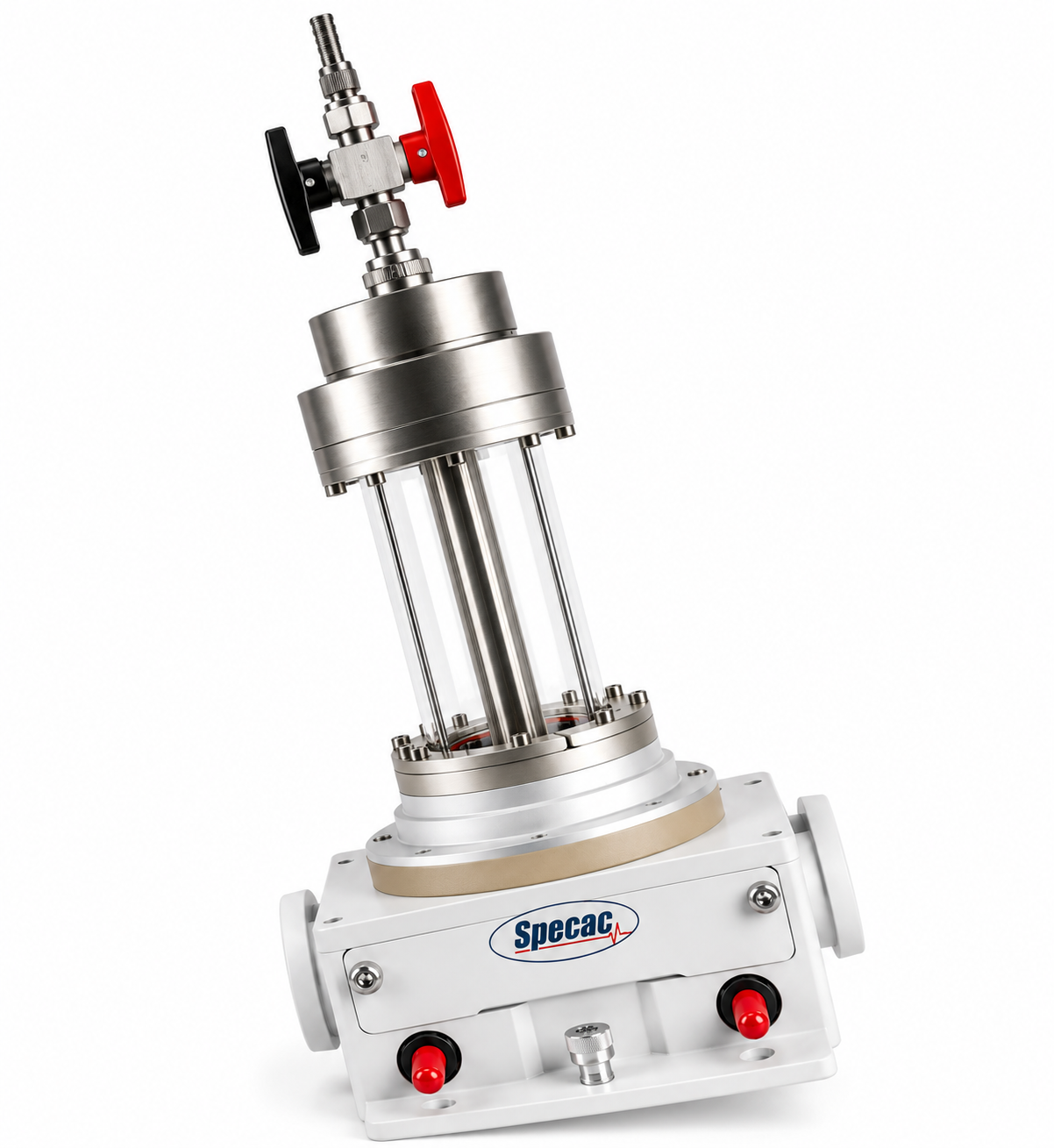
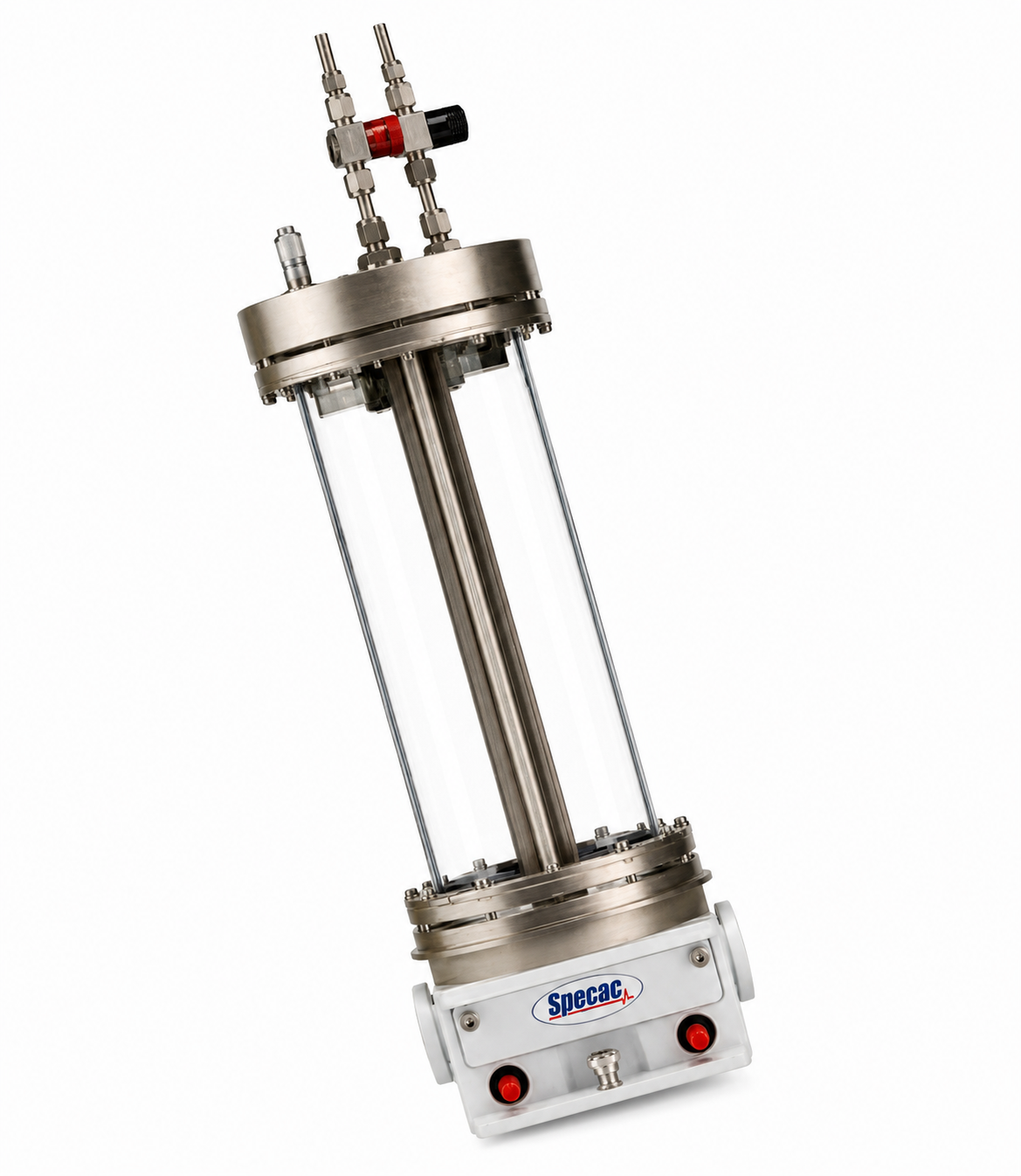
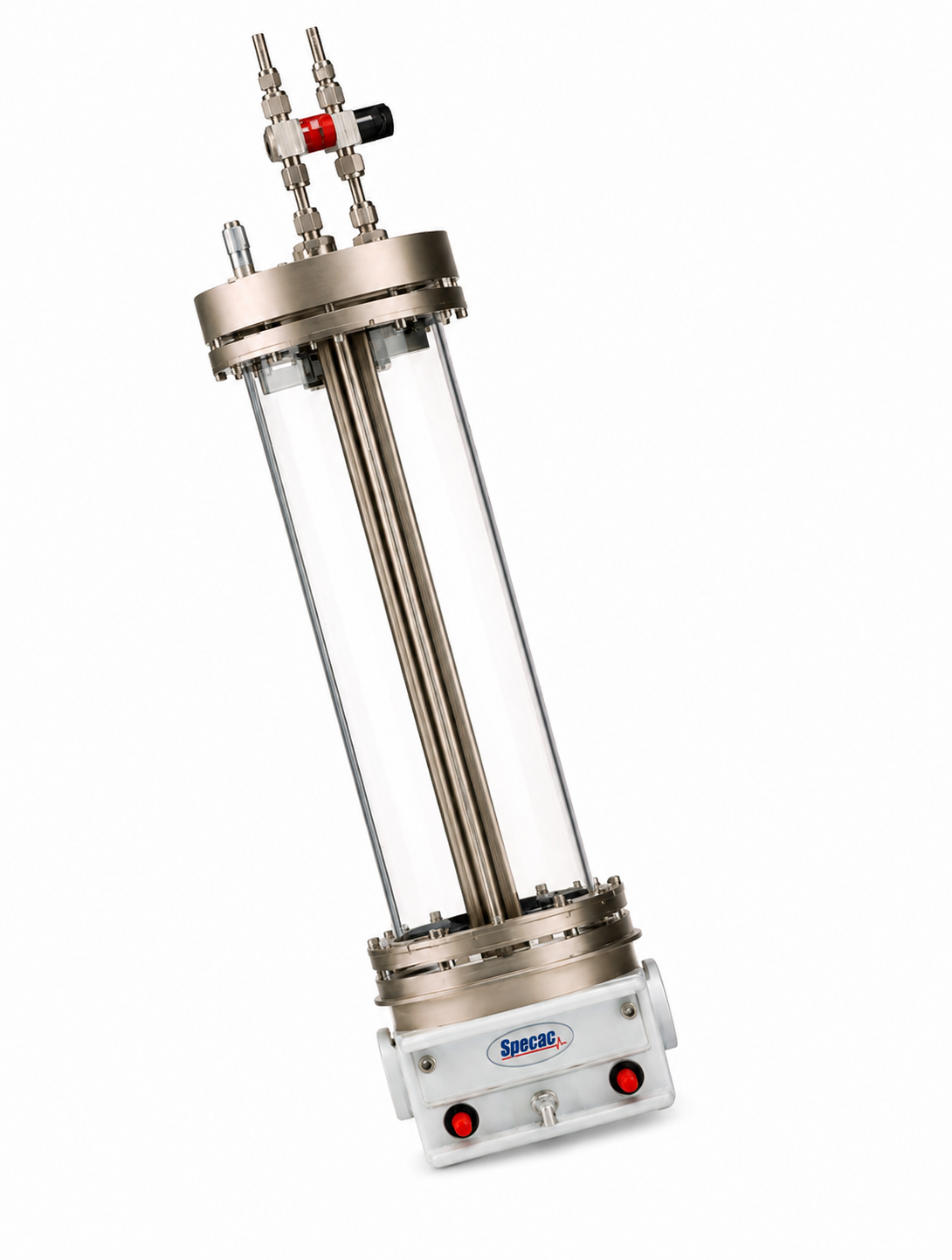
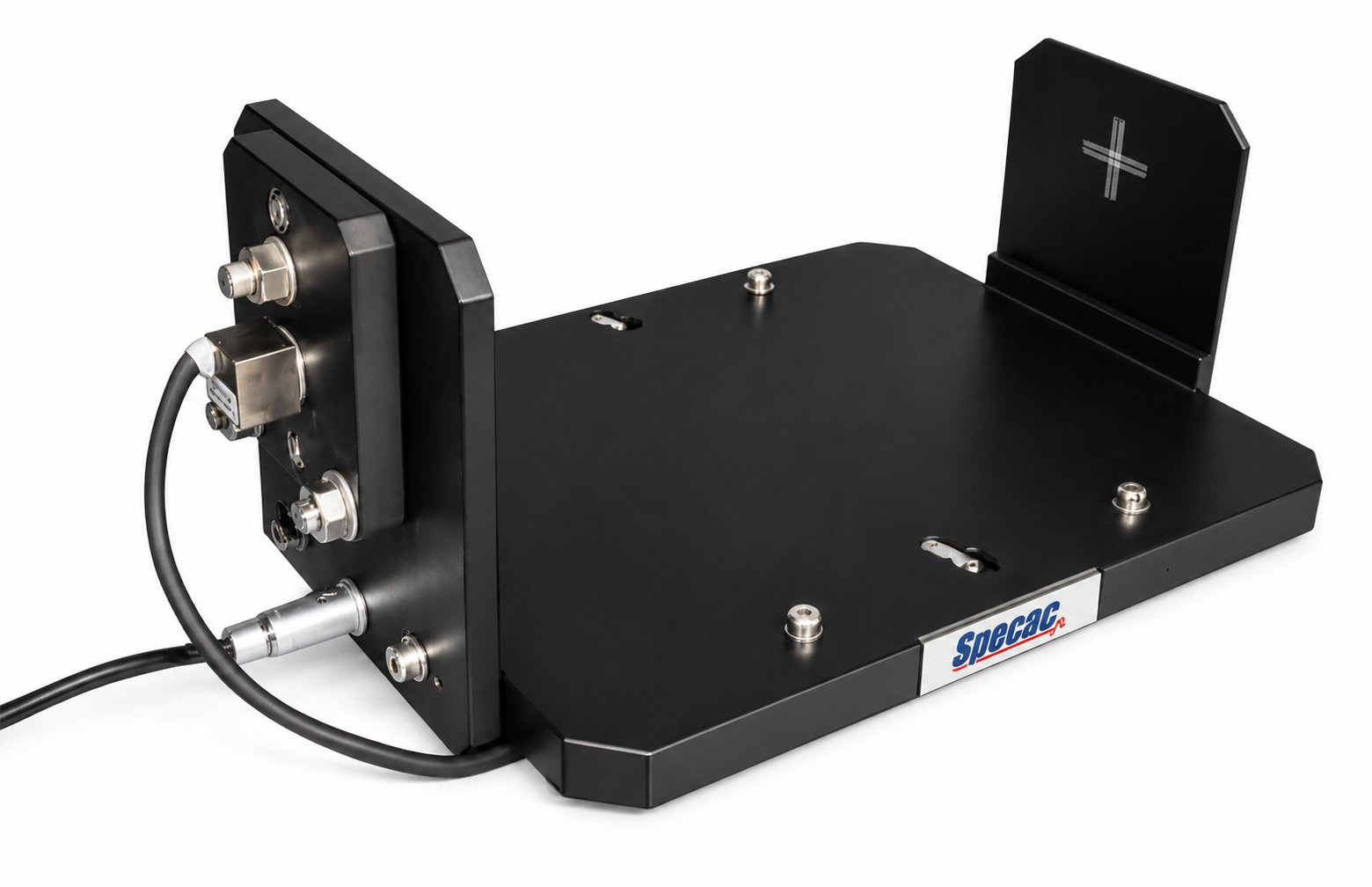
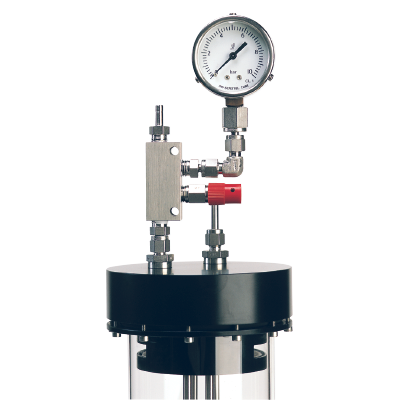
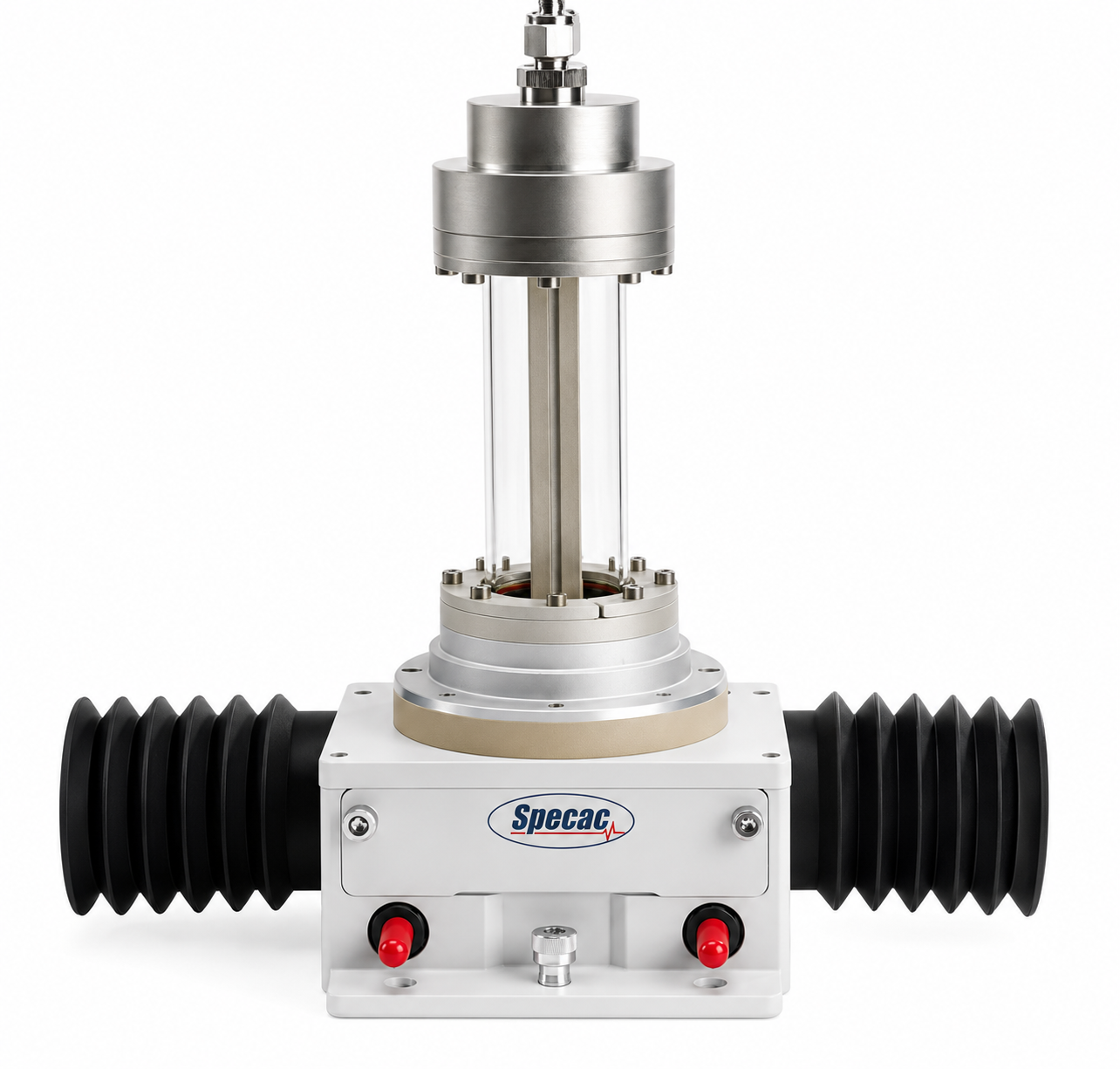
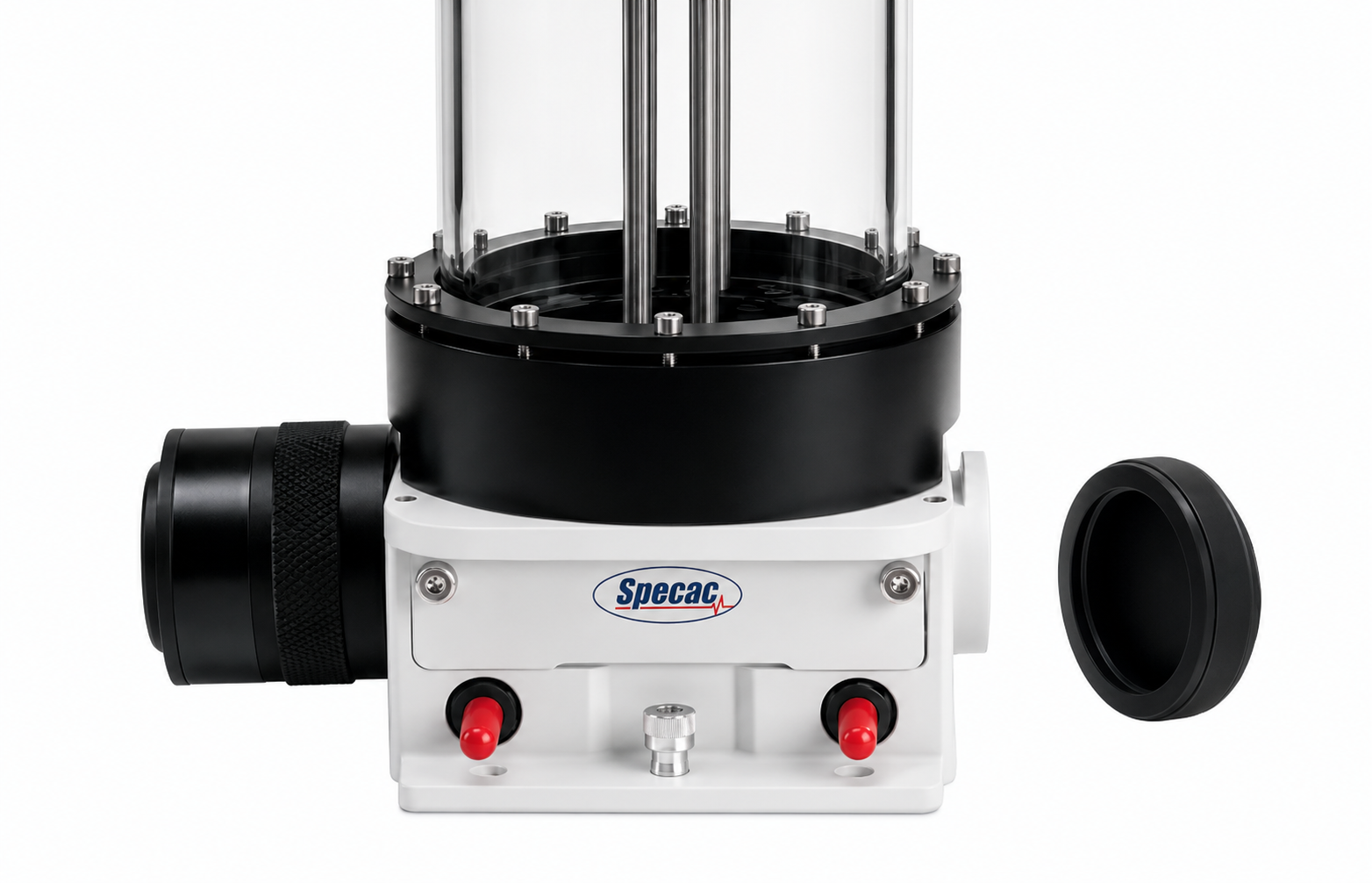
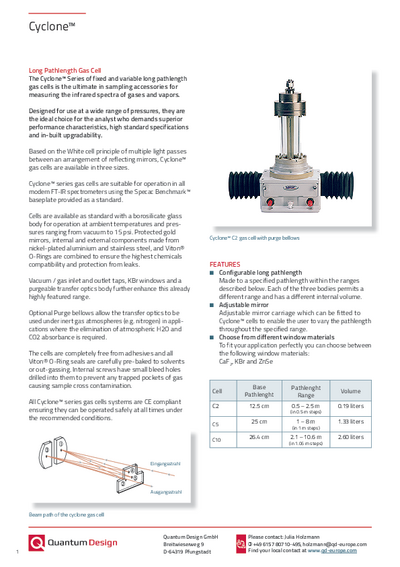
From SpecacThe Cyclone™ series includes gas cells with fixed and optionally adjustable optical path lengths—which can be customized by the user—and offers a high-quality solution for analyzing infrared spectra of gases and vapors.
They are designed for use across a wide pressure range and are ideal for users who value precise measurement results, high-quality standards, and flexible expansion options.
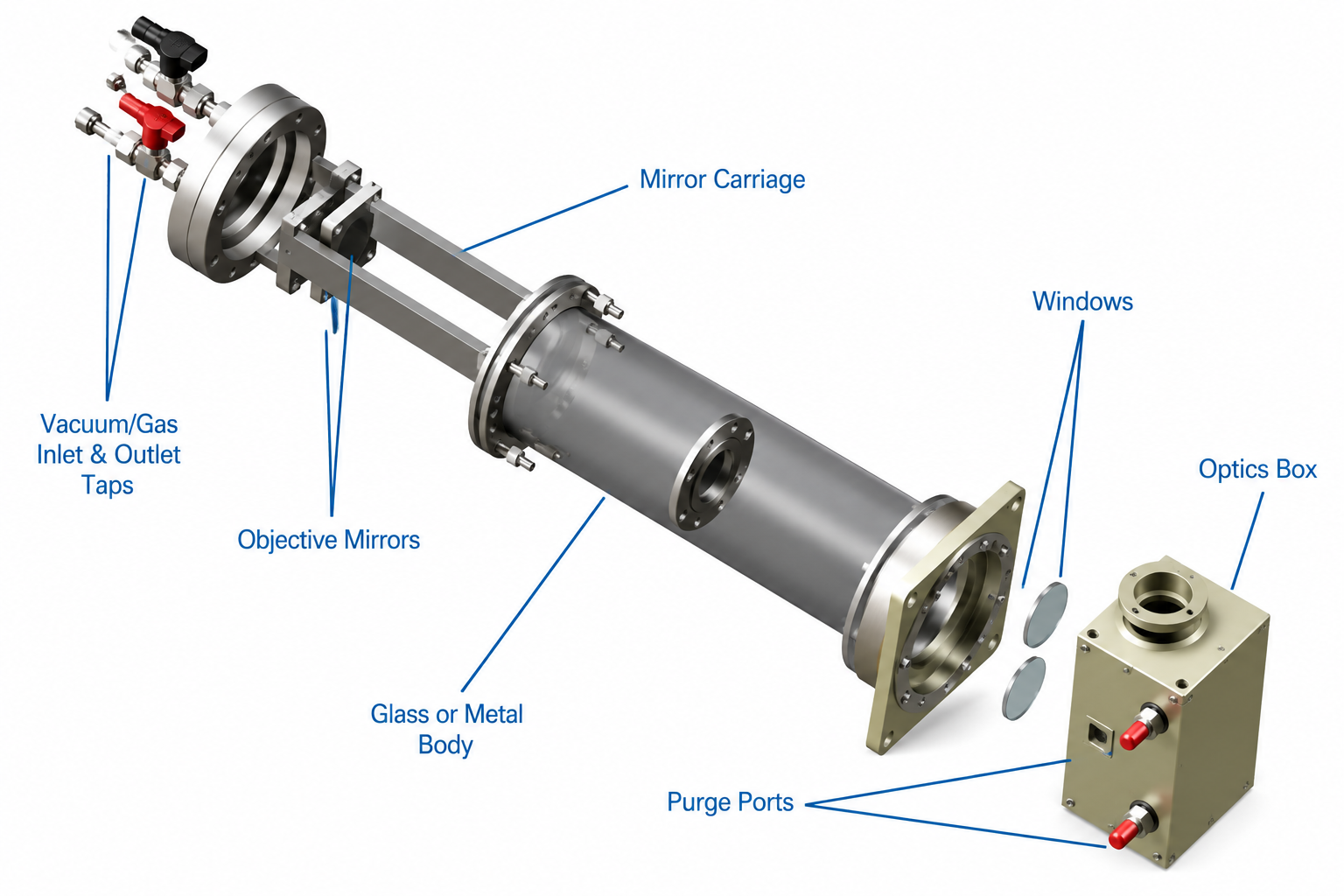
Based on the White cell principle, in which light is reflected multiple times between specially arranged mirrors, Cyclone™ gas cells enable particularly efficient spectral analysis. The series is available in three different sizes, covering a wide range of requirements in research and industry.
In addition, we offer a wide selection of replacement parts for Cyclone™ gas cells to ensure long-term and reliable use. Custom solutions and non-standard designs are also available upon request, allowing individual requirements to be optimally met.
- Cell body from glas or metal
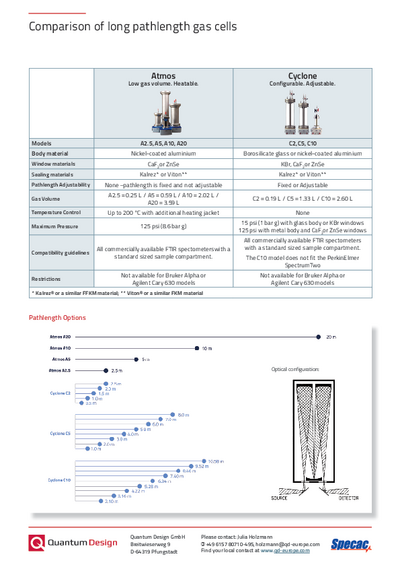
- Path lengths from 0,5 m to 10 m
- Variable or Fixed pathlength
- Vacuum up to 15 psi
- Different window materials available
Further information
Which pathlength should I choose?
Due to the low density of gases compared to liquids, special gas cells are used for IR measurements. For trace analysis of gaseous samples, path lengths of up to several meters must be used. Lambert-Beer's law helps to estimate the required path length.
The absorbance of a gas depends on the distance travelled by the IR light beam through the gas sample. The relationship between absorbance A, concentration c, and pathlength d, is given by Beer’s Law:
A = -log10 (I/I0) = ε∙c∙d
Atmospheric concentrations of gases are usually expressed in c∙d units of ppm∙m - the number of molecules that would be encountered by the infrared beam across a 1.0 m path.
A gas at 0.1 ppm atmospheric concentration will absorb as much IR light over a pathlength of 100 m as would the same gas at 1 ppm over 10 meters or at 10 ppm over 1 meter.
Accordingly, the pathlength of cell should be chosen to give absorbance values within the spectrometer’s linear range for a given concentration. The following table may be taken as a guide:
| Gas name | formula | ν(cm-1) | ppm∙m | absorbance |
| Carbon dioxide | CO2 | 2360 | 100 | 0.40 |
| Carbon monoxide | CO | 2170 | 100 | 0.04 |
| Methane | CH4 | 3020 | 100 | 0.10 |
| C2 to C6 n-alkanes | 2960 | 100 | 0.10 | |
| Nitrogen dioxide | NO2 | 1630 | 100 | 0.15 |
| Nitric oxide | NO | 1900 | 100 | 0.015 |
| Sulfur dioxide | SO2 | 1370 | 100 | 0.09 |
| Hydrogen sulfide | H2S | 1300 | 1000 | 0.002 |
| Ammonia | NH3 | 960 | 100 | 0.12 |
| Hydrogen chloride | HCL | 2940 | 100 | 0.04 |
| Water | H2O | 1650 | 1000 | 0.20 |
| Vinyl chloride | CH2CHCl | 950, 900 | 100 | 0.06 |
| Acetaldehyde | CH3CHO | 2750 | 100 | 0.015 |
| Benzene | C6H6 | 670 | 10 | 0.09 |
| Toluene | C6H5CH3 | 730, 690 | 100 | 0.10 |
| Methanol | CH3OH | 1040 | 100 | 0.40 |
| Ethanol | CH3CH2OH | 1050 | 100 | 0.05 |
| Carbonyl sulfide | COS | 2070 | 100 | 0.40 |
| Nitrous oxide | N2O | 2235 | 100 | 0.15 |
| Sulfur hexafluoride | SF6 | 950 | 10 | 0.40 |
Applications
- FTIR analysis of gases and vapors
- Trace gas analysis (depending on path length, down to the ppm range or below)
- Analysis of inorganic gases and organic vapors
- Quantitative analyses based on the Beer-Lambert law
- Method development through selection of suitable optical path lengths (model-dependent)
- Laboratory analysis under defined pressure conditions
Downloads
Contact

Navigation
Categories
Contact
Quantum Design GmbH
Breitwieserweg 9
64319 Pfungstadt
Germany
| Phone: | +49 6157 80710-0 |
| E-mail: | germanyqd-europe.com |
Support